
In this guide you get a clear overview of the main groups you can look for on a typical itinerary, from riverbanks where capybaras and black caimans appear at dusk to treetops full of parrots and leafcutter ant trails underfoot. You also see how dry and high water months change sightings and why a good naturalist guide makes such a difference. If you want your Amazon tour to match your interests in mammals, birds or aquatic life, plan your journey with Tortuga Bay Travel Agency and choose lodges and routes that maximize safe and respectful wildlife encounters.
Understanding Amazon Wildlife Diversity On Tour
The Amazon is often described as one of the most biodiverse places on Earth, but it feels very different from a zoo or safari park. Instead of large animals everywhere in open view, much of the life here is hidden in layers: canopy, understory, forest floor, rivers and flooded creeks. During tours you are moving through all these “floors” of a living building, and each level hosts different species. Some are commonly seen, others are rare or active only at night, and many are heard long before they are spotted.
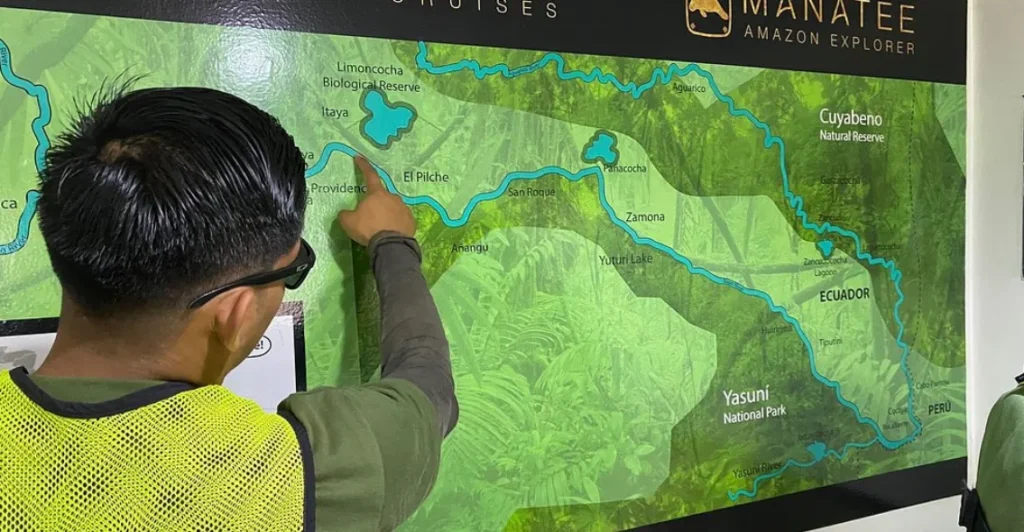
Most itineraries are designed to give you a sample of several key habitats: terra firme forest on higher, drier ground; várzea or flooded forest; blackwater creeks; open rivers; and sometimes lakes or clay licks. Each habitat favors certain animals. Monkeys, sloths and many birds dominate the canopy and upper branches, while ants, frogs, spiders and small reptiles fill the leaf litter and roots below. Along the riverbanks you may see capybaras, caimans and wading birds, while the water itself shelters fish, river dolphins and giant otters.
Another important part of understanding Amazon wildlife diversity is accepting that sightings are based on probability, not guarantees. Even in rich areas, jaguars and tapirs remain elusive, while squirrel monkeys, howler monkeys, toucans and macaws are much easier to find. Weather, water levels and time of day all shift where animals move and how active they are. A good tour balances quiet observation with patient listening, helping you notice details such as tracks, calls and feeding signs that reveal how many species live around you, even when only a few step into full view.
Mammals You Might Encounter During Amazon Tours
Mammals in the Amazon are often more elusive than birds or reptiles, but patient travelers can still enjoy a surprising variety of encounters. On most tours, the mammals you are most likely to see are monkeys. Troops of squirrel monkeys, capuchins or tamarins move quickly through the canopy, sometimes crossing right above the trail or boat. Howler monkeys are easier to hear than to see; their deep roaring calls roll over the forest at dawn and dusk, reminding you how alive the jungle is even when the trees look still. In some areas, you might also spot woolly or spider monkeys, whose long limbs and tails help them move gracefully through the highest branches.
Sloths are another classic Amazon sighting, although guides usually need a trained eye to point them out. They tend to rest high in the canopy, curled up against branches and moving slowly between feeding spots. Along riverbanks and in clearings, you may see capybaras, the world’s largest rodents, grazing near the water or slipping in to cool off. Night walks and boat rides can reveal a different cast of mammals: small night monkeys peering from tree holes, various bats hunting insects over the river and, if you are lucky, the shining eyes of tapirs or deer at the forest edge.
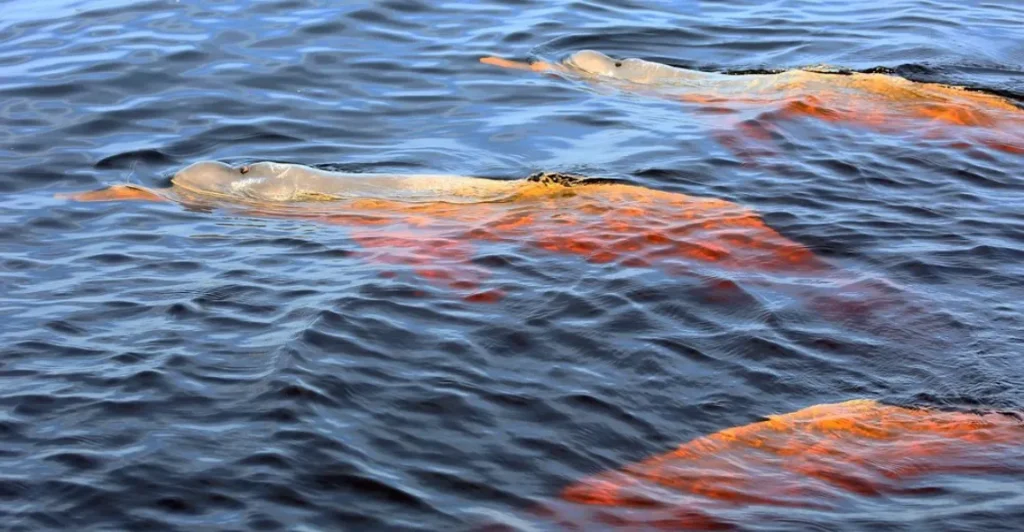
On the water, some regions offer the chance to see pink river dolphins or grey river dolphins surfacing quietly around canoes and boats. In suitable habitats, giant otters patrol lakes and slow channels in family groups, diving and resurfacing with fish in their mouths while communicating with loud calls. More secretive species like jaguars, ocelots and anteaters do live in many tour areas, but sightings are rare and always a matter of luck and timing. Instead of expecting a checklist, it is better to think of each mammal encounter as a bonus woven into a larger experience of sounds, tracks and glimpses that reveal how many species share the forest with you.
Birdlife In The Canopy And Along The Rivers
Birdlife is often the most visible and constant companion during Amazon tours. While mammals can stay hidden, birds fill the canopy and river edges with color, movement and sound from sunrise to sunset. High above the forest, macaws and parrots travel in noisy flocks, their calls carrying over the treetops as they fly towards fruiting trees or clay licks. Toucans move more quietly, hopping along branches with their oversized bills and offering brief, striking silhouettes against the sky. Mixed flocks of smaller species such as tanagers, flycatchers and woodpeckers sweep through the mid levels of the forest, giving the feeling that the trees themselves are alive and shifting.
Along the rivers and oxbow lakes, the bird community changes. Herons, egrets and kingfishers patrol the banks, watching the water patiently before striking at fish. On logs and sandbars, you may see black skimmers, shorebirds or cormorants resting and drying their wings. One of the most distinctive species in many areas is the hoatzin, a prehistoric looking bird that lives in groups among waterside vegetation, hissing and clambering clumsily through branches while feeding on leaves. Raptors such as hawks and kites circle overhead, scanning for movement below. Early morning and late afternoon boat rides are ideal for observing these patterns, when light is softer and birds are most active.
Good guiding and simple tools can transform these moments into lasting memories. Binoculars, spotting scopes and field guides help you appreciate details of plumage, behavior and habitat that are easy to miss with the naked eye. Guides know the best perches, nest sites and feeding trees, and their trained ears can pick out calls of distant birds hidden in the foliage. If birdlife is one of your priorities, plan your Amazon tour with Tortuga Bay Travel Agency and choose lodges or cruises that offer canopy towers, strategic lookout points and enough unhurried time on boats and trails. That way, every excursion becomes a chance to discover new species and understand how birds knit together the many layers of the rainforest.
Aquatic And Semi Aquatic Wildlife You Can See In The Amazon
Rivers, creeks and flooded forests are the main stage for some of the Amazon’s most fascinating animals. One of the great highlights in many regions is the chance to see river dolphins. Pink river dolphins and their grey relatives surface quietly around boats, sometimes rolling just enough to show their distinctive shapes before disappearing again. In calm backwaters and oxbow lakes, you may encounter giant otters, moving in family groups that patrol the shorelines, dive for fish and communicate with a wide range of calls and whistles. Their size, energy and curiosity often leave a strong impression on visitors.
Reptiles are also key actors in these waters. Caimans of different species rest along muddy banks or float with only their eyes and snout above the surface, especially at night when they are easier to spot with a flashlight. In some habitats, larger black caimans share space with smaller relatives. Snakes such as anacondas prefer still, shallow water and dense vegetation, where they hunt fish, birds and small mammals; seeing one is a matter of timing and luck, but guides know the most likely spots. Freshwater turtles bask on logs or rocks during the day and slip into the water at the slightest movement from a passing canoe.
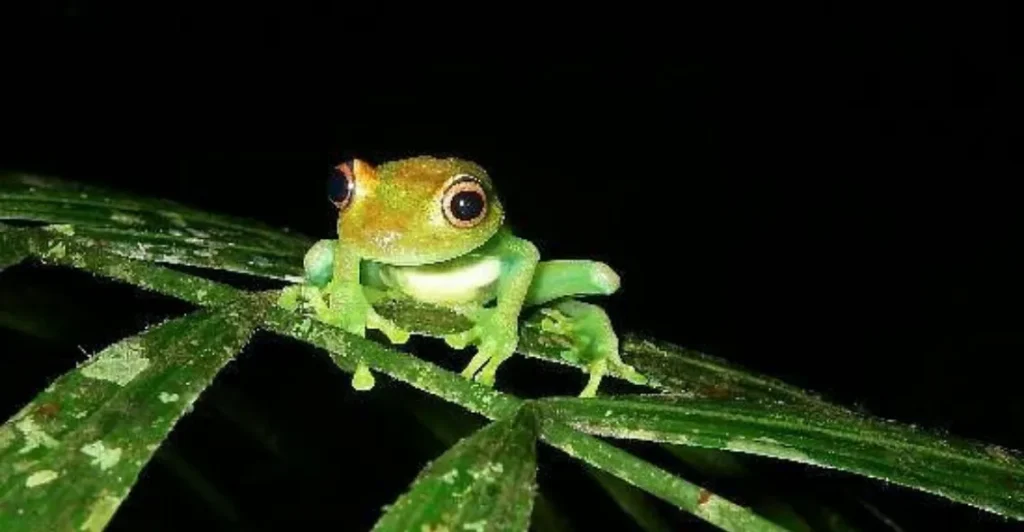
Below the surface, countless fish species fill the rivers, from sleek catfish to shimmering schools of small tetras. Piranhas, famous for their teeth, typically behave cautiously around people and are often more curious than dangerous when tours follow safety guidelines. In certain areas, stingrays and electric eels add to the sense that the water holds many hidden stories. Frogs, dragonflies and other semi aquatic creatures complete the picture along the edges, where forest and river meet. Together, these animals show how rich life becomes wherever the Amazon’s water flows, slows or spreads into the trees.
How Seasons And Good Guiding Influence Your Wildlife Sightings
Wildlife sightings in the Amazon are never completely predictable, but two factors shape them more than anything else: the season you travel in and the quality of your guiding. Seasonal changes in rainfall and river levels influence where animals move, feed and rest. During high water months, flooded forests open new feeding areas, fish spread into creeks and some mammals and birds concentrate along the edges of channels and lagoons. In low water periods, shorelines, sandbars and exposed roots become important, drawing animals to narrower strips of habitat where they may be easier to see. The same species can appear in very different places depending on whether the water is rising or falling.
Time of day and weather patterns within each season also matter. Many mammals are more active at dawn and dusk, while birds follow their own daily rhythm of feeding, calling and resting. Overcast skies can keep animals moving for longer, while intense midday sun may send them into deeper shade. A flexible itinerary that includes early starts, night outings and varied habitats usually produces a richer list of sightings than a rigid schedule limited to one type of activity or time slot.
Good guiding ties all these elements together. Experienced guides know how recent rains have affected trails and river levels, which fruiting trees or clay banks are attracting animals, and how to move quietly to avoid disturbance. They can read tracks, calls and subtle movements that reveal hidden wildlife and adjust the route in real time when conditions change. Just as importantly, they help set realistic expectations, explaining why some species are common and others rarely appear. When season, timing and guiding are aligned, even a simple canoe ride or short walk can reveal more animals, behaviors and ecological stories than a casual visitor would ever notice alone.
Conclusion
An Amazon tour is never just a checklist of animals; it is a living introduction to rivers, forests and the many species that silently share them with you. With each outing you learn to see more, not only spot more. Plan your journey with Tortuga Bay Travel Agency and choose routes and lodges that give wildlife the space and respect it deserves.