
In this guide you will see how the warm wet months and the cooler dry season change sea conditions, landscapes and wildlife events, from nesting sea turtles to booming marine life around nutrient rich currents. Each period has strengths for swimmers, divers, photographers and families. If you want your trip to match your interests and energy, plan your Galapagos dates with Tortuga Bay Travel Agency, compare seasonal highlights and choose the month, ship or land based program that fits your budget, comfort level and favorite kind of adventure.
How Seasons and Currents Shape Weather in the Galapagos
Weather in the Galapagos is controlled more by ocean currents than by classic four seasons. The islands sit on the equator, so daylight hours change very little during the year and air temperatures stay relatively mild. What really shifts is the mix of warm and cool currents around the archipelago. These underwater rivers bring different temperatures and nutrients, which then affect clouds, rain, wind and the behavior of wildlife on land and sea.
From roughly December to June, a warm current from the north brings higher sea temperatures and more humidity. Days often feel warmer, seas are usually calmer and the highlands turn greener with short tropical showers. This is often called the warm wet season. Conditions are comfortable for swimming and snorkeling, with clearer water in many areas and inviting temperatures at the surface, even for people who are not used to colder seas.
From about July to November, the cool Humboldt Current and upwelling of nutrient rich water dominate. Air temperatures become fresher, skies can be cloudier and a fine mist called garúa is common in the highlands. The sea becomes cooler and sometimes choppier, but marine life is especially active thanks to the extra nutrients in the water. For visitors, this means choosing between slightly warmer, calmer conditions with greener landscapes, or cooler, fresher days with powerful marine activity. Both periods offer good travel experiences, but they feel different because the currents shape the climate in their own way.
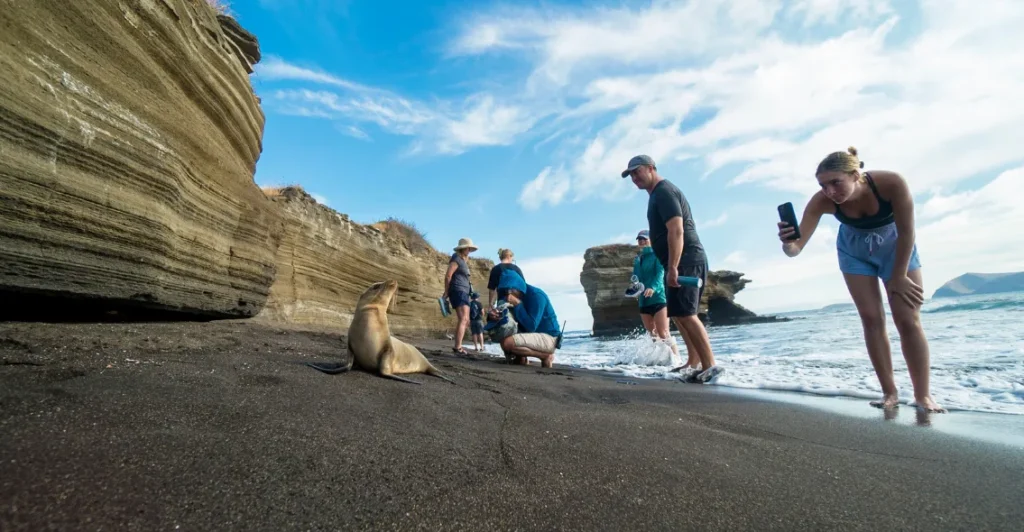
Warm Wet Season in Galapagos from December to June
From December to June the Galapagos enters what many travelers think of as the “tropical” part of the year. Air temperatures are warmer, often in the mid to high twenties in Celsius, and the sun feels strong, especially near midday. Short but intense showers can appear, usually in the afternoon, and then skies clear again, leaving bright light and a vivid blue sea. Highlands on the larger islands turn lush and green, with grasses and foliage covering the volcanic slopes, while lowlands remain drier but still benefit from the extra moisture in the air.
Sea conditions during the warm wet season are generally calmer and more inviting for people who are not used to cold water. Surface temperatures rise, making swimming and snorkeling more comfortable even with a light wetsuit or sometimes without one, depending on the month and site. Visibility can be excellent in many areas, allowing clear views of reef fish, rays and reef sharks. These conditions are especially friendly for families, first time snorkelers or anyone who feels more relaxed in gentler seas.
Wildlife activity is strong throughout this period. Many seabirds court, mate and nest, so it is common to see displays, eggs and chicks on certain islands. Sea turtles come ashore to lay eggs on sandy beaches, marine iguanas show brighter breeding colors in some colonies and sea lions remain playful in the water. Because the sea is warmer, some of the very cold water species stay slightly deeper, but encounters remain frequent on guided outings. Overall, the warm wet season combines bright, tropical style weather, green highlands and accessible sea conditions, creating a softer, more relaxed atmosphere for exploring the islands.
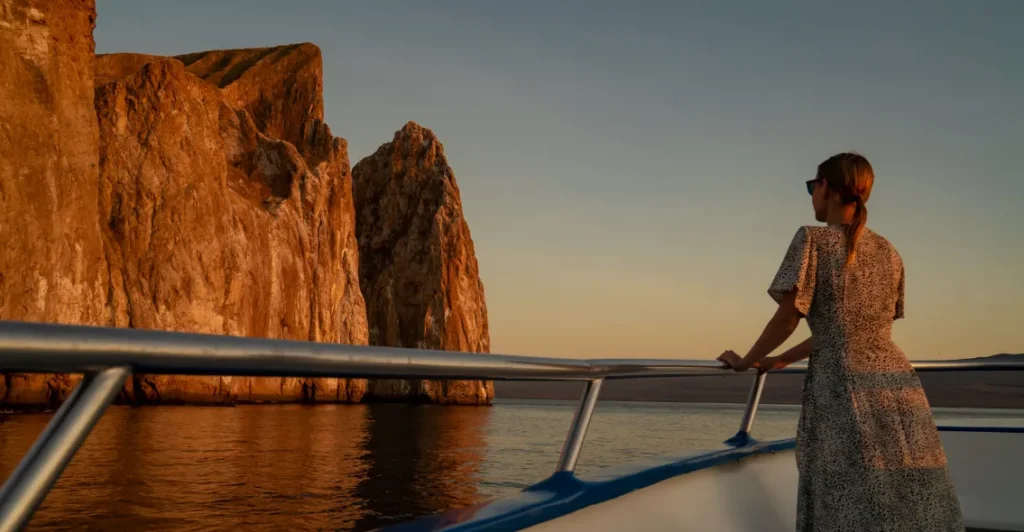
Cool Dry Season in Galapagos from July to November
From July to November the Galapagos shifts into the cool dry season, sometimes called the garúa season because of the fine mist that often hangs over the highlands. Air temperatures feel fresher, especially in the mornings and evenings, and skies are more frequently overcast, with softer light instead of strong tropical sun all day. In the upper parts of the larger islands, the garúa keeps vegetation moist and green even when little actual rain falls, while the coastal zones can look drier and more arid, with golden grasses and exposed lava.
At sea, the difference is even more noticeable. Cooler currents dominate, bringing nutrient rich water up from the depths. Surface temperatures drop and the ocean can feel brisk, which is why thicker wetsuits are commonly used on snorkeling and diving excursions. In exchange, marine life becomes especially active. Schools of fish grow denser, rays and reef sharks are more commonly seen and conditions for serious snorkeling and diving are often excellent. For many underwater enthusiasts, this period is considered one of the most rewarding times to visit.
Wildlife on land continues to be present and busy. Some species time their breeding cycles with the cooler months and abundant marine food, so it is possible to see behaviors such as courtship, nesting or caring for young in various colonies. Sea lions often have pups on certain islands, and the combination of misty highlands, cooler air and strong marine activity creates a very different mood from the bright, tropical feel of the warm wet season. The cool dry months favor travelers who enjoy fresh weather, powerful ocean life and dramatic, sometimes moody landscapes rather than constant sunshine.
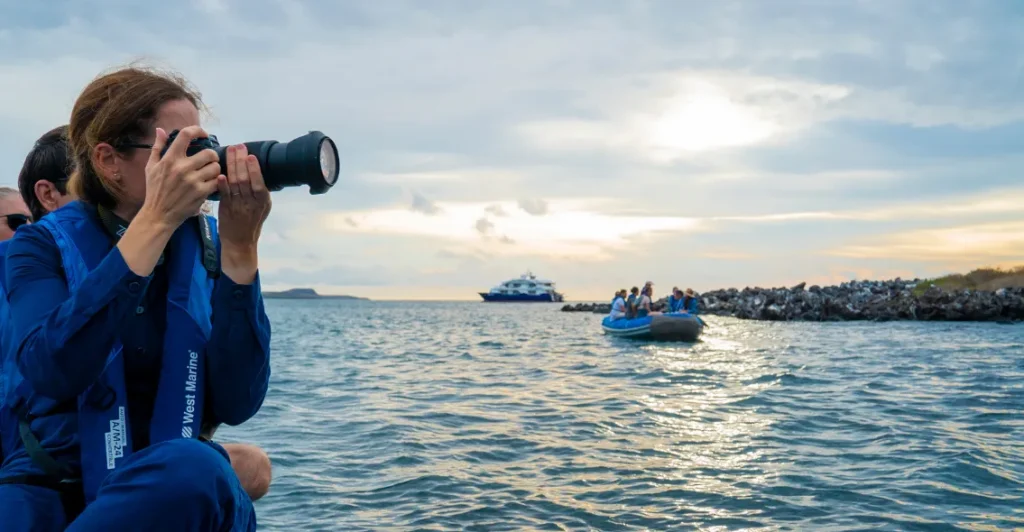
Best Time to Visit by Wildlife Activities and Comfort
The “best” time to visit the Galapagos depends on what matters most to you: comfort in the water, the type of wildlife you dream of seeing or how you like to spend your days. If you value warm air, calmer seas and an easy introduction to snorkeling, the warm wet season from December to June is especially friendly. Sea temperatures are higher, surface conditions are often smoother and the combination of sunshine and short showers creates bright colors in photos. Families with children, first time snorkelers and travelers who prefer a more tropical feel often gravitate toward these months.
For marine life intensity, many visitors look to the cool dry season from July to November. The influx of nutrient rich currents attracts dense schools of fish and makes encounters with rays, reef sharks and other pelagic species more frequent, especially on advanced snorkeling and diving trips. The tradeoff is cooler water and sometimes choppier seas, which require thicker wetsuits and a bit more tolerance for motion. Hikers and photographers often appreciate this season too, thanks to fresher temperatures, dramatic skies and striking contrasts between green highlands and dry coastal zones.
Wildlife highlights are spread throughout the year. Sea lions, marine iguanas, blue footed boobies, frigatebirds and giant tortoises can be observed in every month, although their breeding and nesting peaks vary by species and island. If your priority is a specific event, such as sea turtle nesting or certain bird displays, it is worth checking a wildlife calendar when planning. For most visitors, however, both seasons deliver the core Galapagos experience: close encounters with animals that show little fear, volcanic scenery and a mix of land and sea activities. The difference lies mainly in how warm you feel, how energetic the ocean looks and which side of the islands’ personality you prefer to meet first.
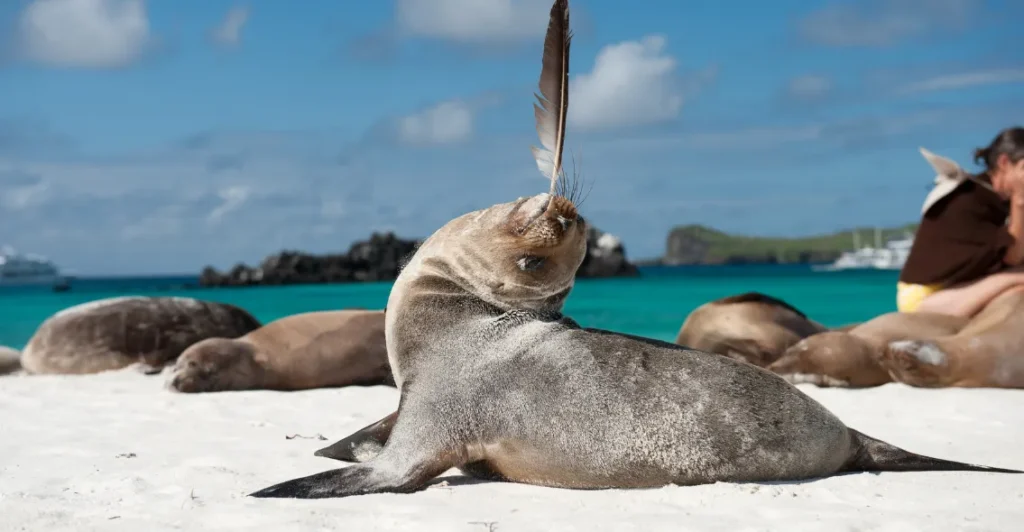
How to Choose Your Ideal Month for a Galapagos Trip
Choosing your ideal month for a Galapagos trip starts with imagining how you want each day to feel. If you picture bright sun, calm blue water and swimming without feeling cold, months in the warm wet season may suit you better. From December to June, the atmosphere is more tropical, with greener highlands and seas that invite longer snorkeling sessions. This fits travelers who enjoy sunbathing on deck, relaxed swims from the beach and a softer introduction to life at sea.
If you are drawn to intense marine activity and do not mind wearing a thicker wetsuit, the cooler dry season from July to November can be more appealing. During these months, currents bring nutrients that attract dense schools of fish, rays and sharks, making the underwater world feel especially alive. The air is fresher, skies more dramatic and the contrast between misty highlands and dry coasts creates a different visual mood. This period often works well for keen snorkelers, divers and photographers who are comfortable with slightly rougher sea conditions.
Personal sensitivity to motion and temperature should guide your choice. People who get seasick easily or feel uncomfortable in cold water often prefer the calmer, warmer months, even if marine life is a bit less intense. Others enjoy the energetic seas and crisp air of the cool season. It also helps to consider your wider schedule: school holidays, work breaks and flight prices can influence the final decision.
Finally, remember that Galapagos is not a destination with strict “on” or “off” months. Wildlife is present year round, and both seasons offer memorable encounters. Reading sample itineraries, checking seasonal descriptions and talking with a specialist can turn a vague idea into a clear choice. When your expectations, comfort level and preferred style of adventure line up with the month you select, the islands feel welcoming from the moment you step off the plane.
Conclusion
There is no single perfect month to visit the Galapagos Islands. Warm wet months feel more tropical with calm seas, while cool dry months offer fresh air, powerful marine life and dramatic views. Think about how you like to travel and choose the season that fits you best. Plan your adventure with Tortuga Bay Travel Agency and let the islands surprise you from day one.